
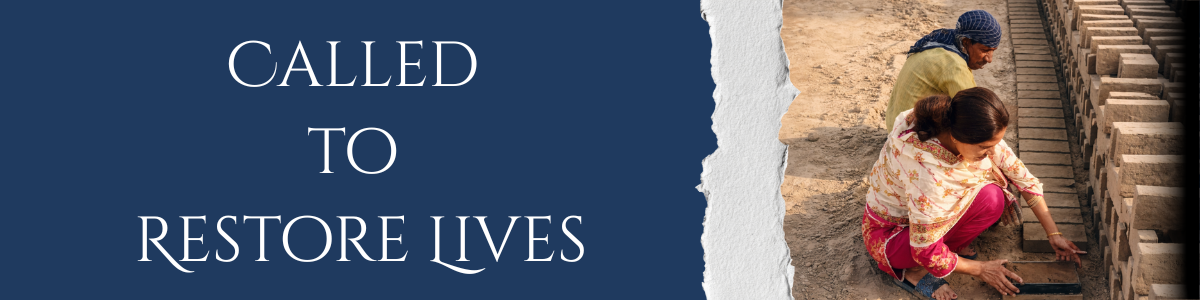
When the day finally came and we reached those remote villages, we witnessed with our own eyes the reality we had only heard about.
As soon as we arrived, the people welcomed us wholeheartedly. It reminded us of the biblical teaching that when we visit one another, we are received with love and honor. Their simplicity and sincerity deeply touched us.
We saw that in some places, people gathered in small homes to pray because there were no proper church facilities available. The conditions in the villages were extremely difficult, and witnessing this moved us emotionally.
We realized that if these communities continue to be ignored, their future will remain trapped in the same cycle of hardship.
This visit made us understand that while it is not possible to reach every place, we must do what we can wherever we are able to go. This work cannot be done in a single day—it requires commitment, responsibility, and continuous effort from the heart.
We spent time with the people, listened to their struggles, and especially reflected on the future of their children. Education is their greatest need, yet they do not have the resources to buy books or send their children to school.
These are the realities we could only understand by being present within the community—and it was at that moment we realized that it is not enough to simply observe; we must take action.
Many villagers work all day just to earn a single meal. In such conditions, how can they send their children to school? When financial resources are limited, every aspect of life becomes difficult. Families living in mud houses face even greater challenges, lacking access to education, healthcare, and basic necessities.
We also came to understand that one problem never exists alone—it is connected to many others. Without income, there is no education; without education, there are no better job opportunities; and without opportunities, the cycle of poverty continues.
While unemployment is a challenge even in cities, the situation in villages is far more severe. There are often no churches and no schools, which causes generational deprivation to continue and grow.
This visit was not just a journey—it was a call to action. Together, we can bring education, hope, and a future to these forgotten communities.
