
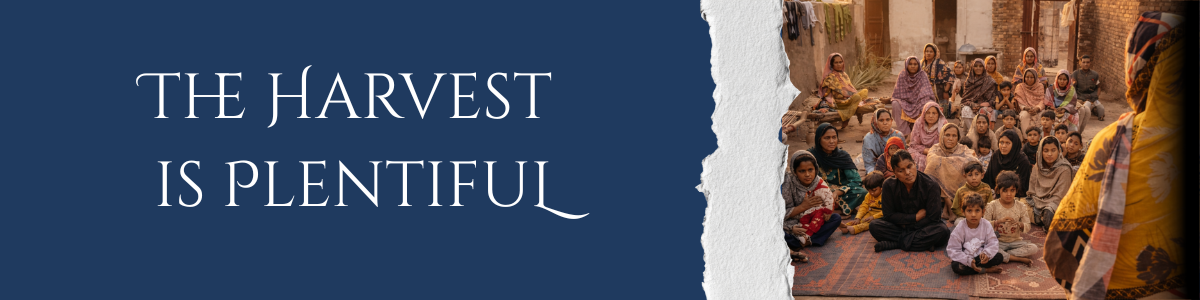
In the early days, missionaries focused on establishing schools, churches, and community centers in remote and underserved regions. These efforts helped lay a strong foundation for both education and faith development in many areas.
Over time, these communities have grown and expanded. However, with growth have come new challenges. Many families today are struggling with poverty, limited access to quality education, and difficulty maintaining a balanced family life. In some regions, children face reduced opportunities for learning and development, which affects the long-term stability of families and communities.
At the same time, in areas where persecution and hardship exist, the need for both churches and educational support continues to rise. Leaders and workers in these communities emphasize that spiritual care and education must work together in order to bring lasting transformation.
Despite these challenges, there are also encouraging signs. Many individuals who move into different work and service opportunities are finding acceptance in new places. Through their daily lives, they are able to positively influence others and share values of hope, faith, and integrity.
This reflects the teaching of Jesus about being “salt and light.” Believers are called to bring positive influence, guidance, and hope wherever they go, even in difficult environments.
Similarly, the parable of the sower reminds us that when seeds of truth and faith are planted in receptive hearts, they can produce lasting and abundant fruit.
Ultimately, this growing reality shows that people are not limited to one place or one role. Instead, many are being sent into different communities and regions to sow seeds of education, hope, and faith—helping to build stronger and more resilient societies.
Jesus Christ reminds us in Matthew 9:37: “The harvest is plentiful, but the workers are few.” This verse continues to speak powerfully into today’s world, especially in communities where both spiritual and social needs are increasing.
